Why Diagnose AD Early
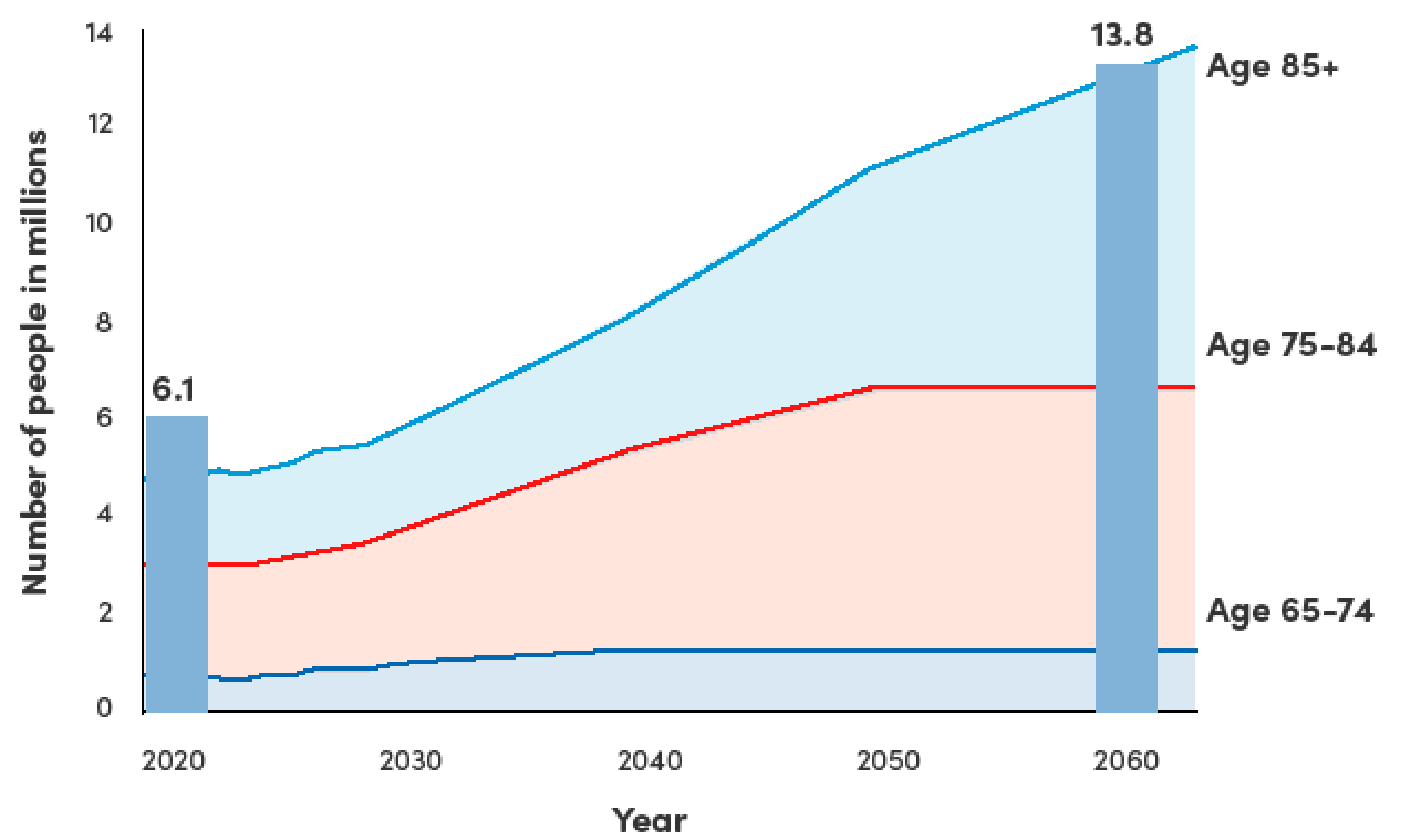
As the Number of People Living With Alzheimer's Disease (AD) Grows, Swift, Accurate Diagnosis Matters More Than Ever


~3 out of 4 people living with dementia are not diagnosed; most underdiagnosed individuals are in the early stages of disease.1
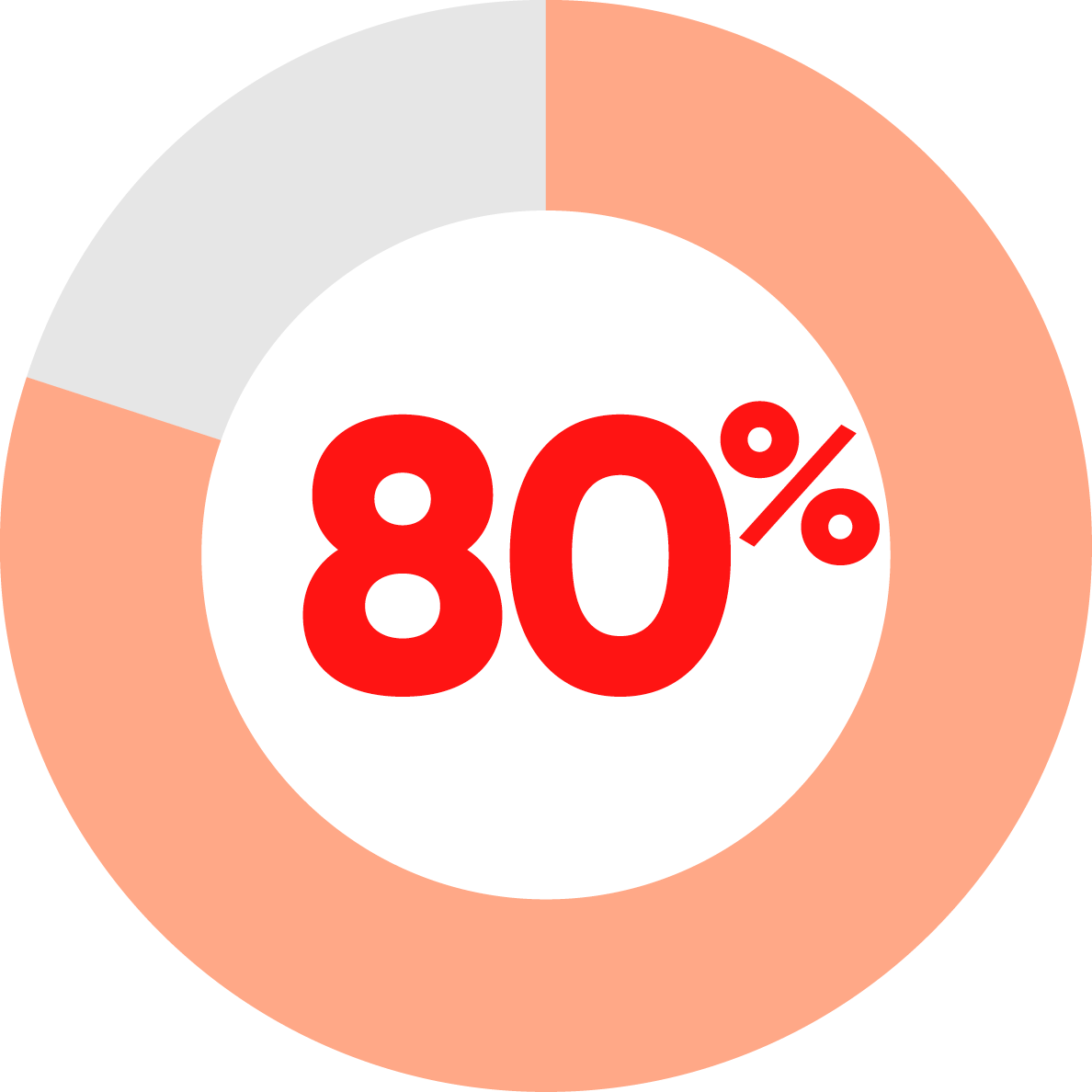
While 60% to 80% of all dementia cases are due to AD, the condition is challenging to diagnose.2

"16.6% of Americans aged 45 and up report SCD, but 54% of those reporting had not consulted a healthcare professional."1
-Alzheimer's Association Facts and Figures 2026

The average time from symptom onset to diagnosis of AD is 3.6 years.1,3

The cost of care for AD in the US is expected to reach nearly $1 trillion by 2050.1

A Timely AD Diagnosis Is Critical to Guide Patient Care, Regardless of Disease Severity1
Early Detection, Lifelong Impact: Early Diagnosis Can Enable Meaningful Lifestyle Changes for Many Patients1
Early and Accurate Detection Can Potentially Alter the Trajectory of Disease Progression With Disease-Modifying Therapy1,2,5
Symptomatic Treatment Can Help Many Patients and Caregivers Manage AD Dementia Symptoms2
Potential Care Options for Individuals Across the Clinical Stages of the AD Continuum1
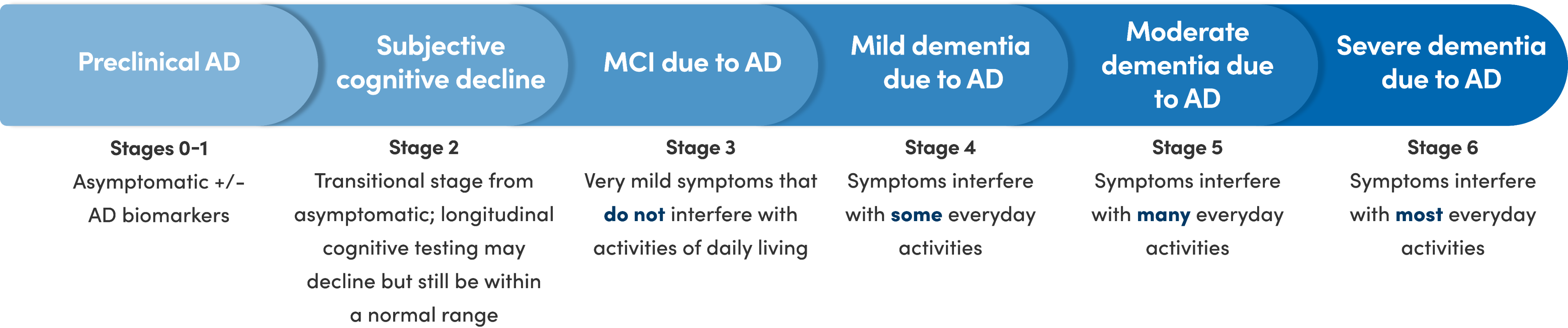
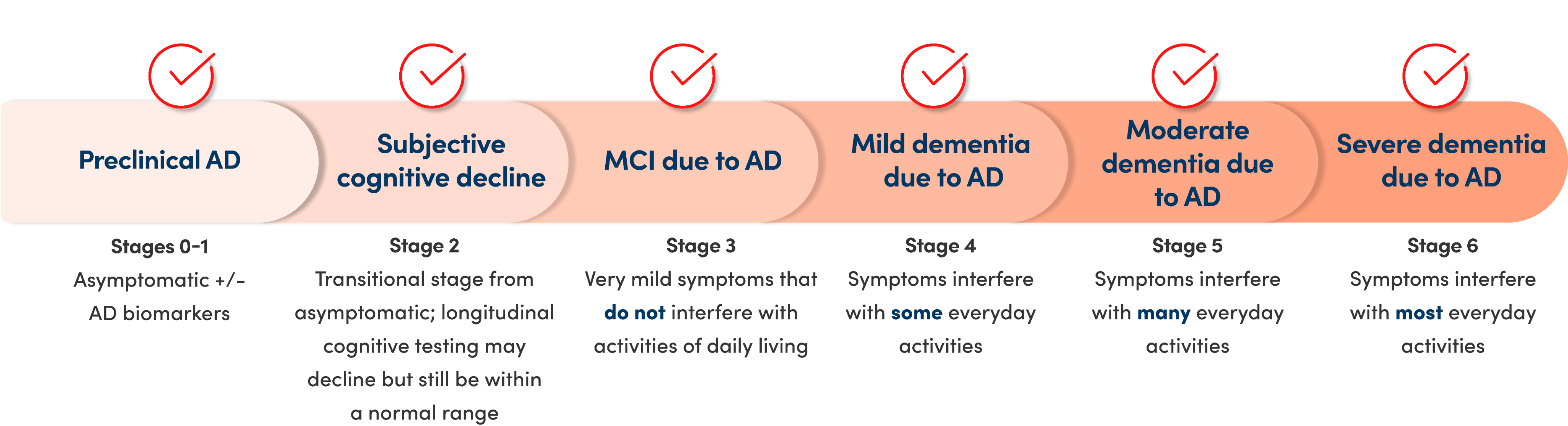
An early AD diagnosis can empower patients to proactively manage their health, allowing for independent decision-making.2
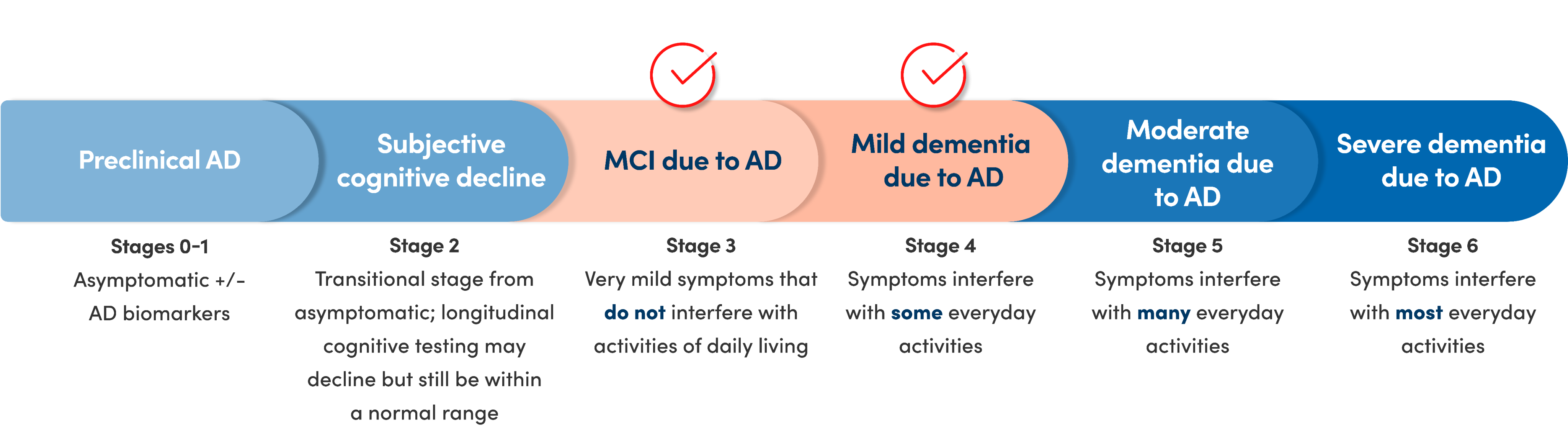
Two amyloid-targeting therapies (ATT) are FDA-approved to slow the progression of AD, but only in the early stages of disease.2,5
ATTs have been shown to have improved efficacy the earlier they are initiated.6
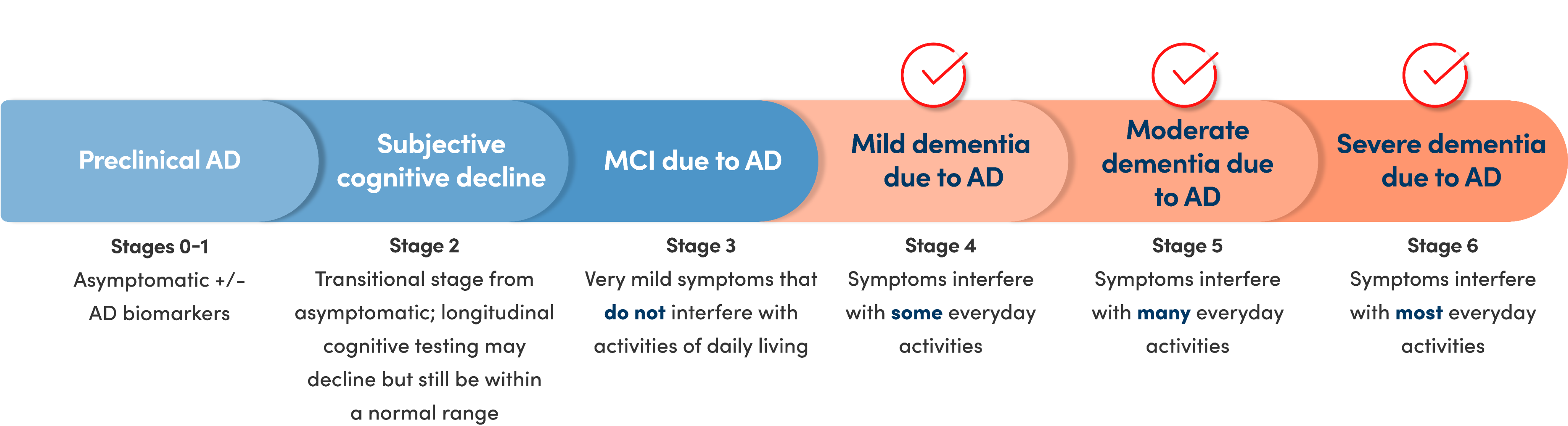
A timely AD diagnosis can pair patients with appropriate symptomatic treatment to potentially improve or stabilize day-to-day functioning, behavior, and quality of life even though it does not alter the underlying disease.2
1. Alzheimer’s Association. 2026 Alzheimer’s disease facts and figures. Alzheimers Dement. 2026;22. https://doi.org/10.1002/alz.71345. 2. Gauthier S, Webster C, Servaes S, Morais JA, Rosa-Neto P. World Alzheimer report 2022: life after diagnosis: navigating treatment, care and support. Alzheimer’s Disease International. Published September 2022. Accessed December 12, 2025. https://www.alzint.org/u/World-Alzheimer-Report-2022.pdf. 3. Kusoro O, Roche M, Del-Pino-Casado R, Leung P, Orgeta V. Time to Diagnosis in Dementia: A Systematic Review With Meta-Analysis. Int J Geriatr Psychiatry. 2025;40(7):e70129. 4. LEQEMBI (lecanemab-irmb) [package insert]. Nutley, NJ: Eisai Inc. 5. KISUNLA [package insert]. Eli Lilly and Company. 6. van Dyck CH, Sperling R, Li D, et al. Lecanemab for the treatment of early Alzheimer’s disease: the extension of efficacy results from CLARITY AD. Presented at the American Academy of Neurology (AAN) 2025 Annual Meeting. April 5-9, 2025. San Diego, CA.