
PrecivityAD2® Test Clinical Data
The Evolution of the PrecivityAD2® Test: Rigorously Studied in Multiple Populations and Clinical Settings
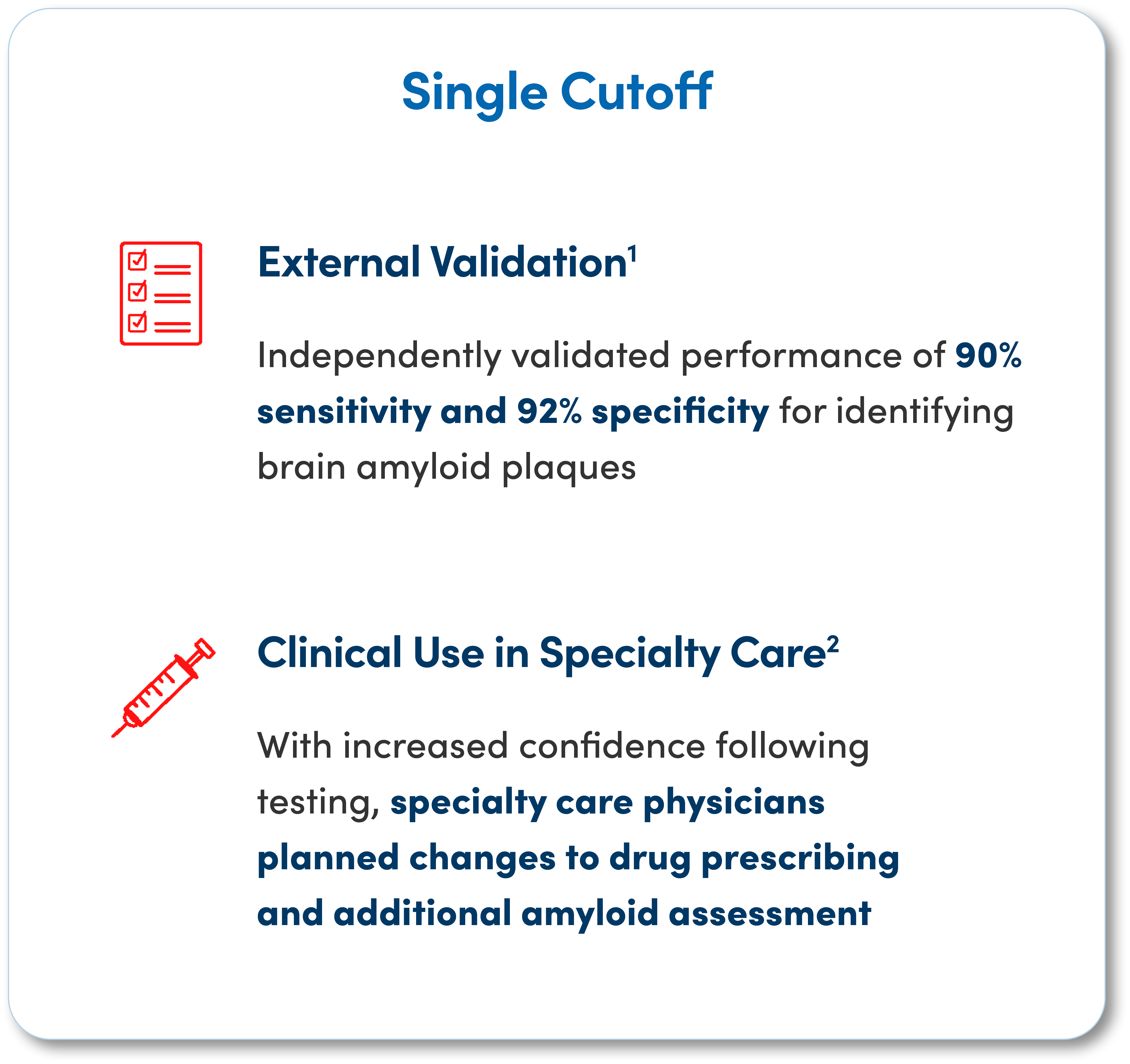

Validated in PrecivityAD2 single-cutoff test.

Single-cutoff test
The PrecivityAD2® Test Was Externally Validated in Individuals With MCI and Dementia
Study Design
External validation occurred using data from a recent head-to-head study (FNIH-ADNI) of different blood test performance in CI and CU individuals. This study evaluated data from CI individuals (N=191) only.1
Study Objective
Perform clinical validation of the PrecivityAD2® test in a second, independent cohort to evaluate the repeatability, reliability, and accuracy of the PrecivityAD2® test in the intended use population.1
Results
(Concordance with amyloid PET)1
The PrecivityAD2® test was highly accurate (91%) in discerning amyloid PET positive and negative status in symptomatic individuals.
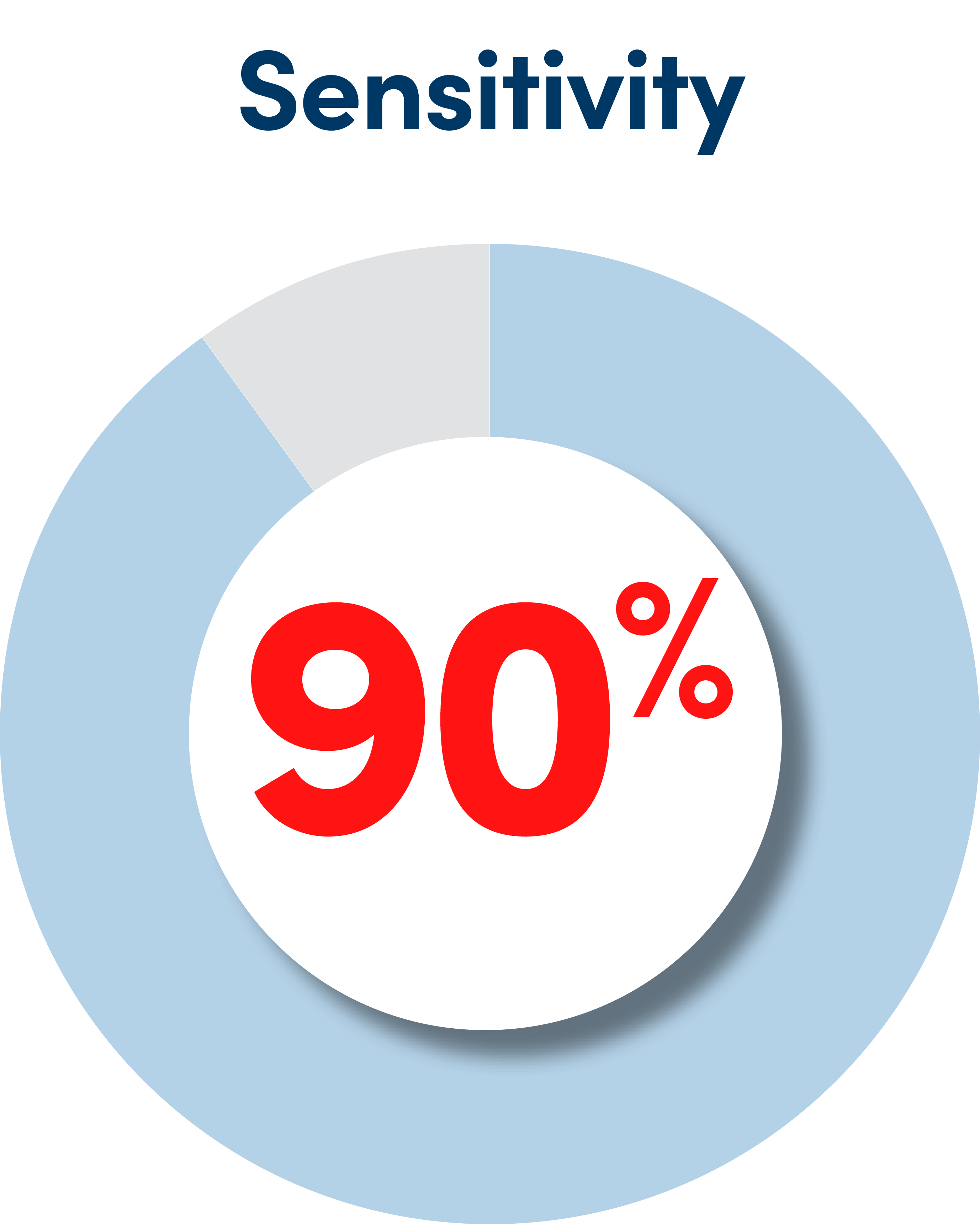

The PrecivityAD2® single-cutoff test exceeds clinical guideline performance standards (≥90% sensitivity and specificity) for blood tests intended to assist in making an AD diagnosis.1,4-6
Single-cutoff test
The PrecivityAD2® Test Can Help Optimize Clinical Decision-Making2
The QUIP-II study evaluated clinical use of the PrecivityAD2® test and changes in clinical confidence and planned management in 203 patients in real-world settings.
Clinicians learned how to use the test2
Clinicians used the test appropriately2
Test results improved diagnostic certainty2
With a negative APS2 result, the clinician-reported probability for an AD diagnosis decreased from:
Clinicians were more certain patients did not have AD after they observed a negative test result.
With a positive APS2 result, the clinician-reported probability for an AD diagnosis increased from:
Clinicians were more certain patients had AD after they observed a positive test result.
Test results were clinically impactful and changed planned prescribing2
of all patients had a planned medication change
119/203, P<.0001 vs prespecified threshold of 20% change
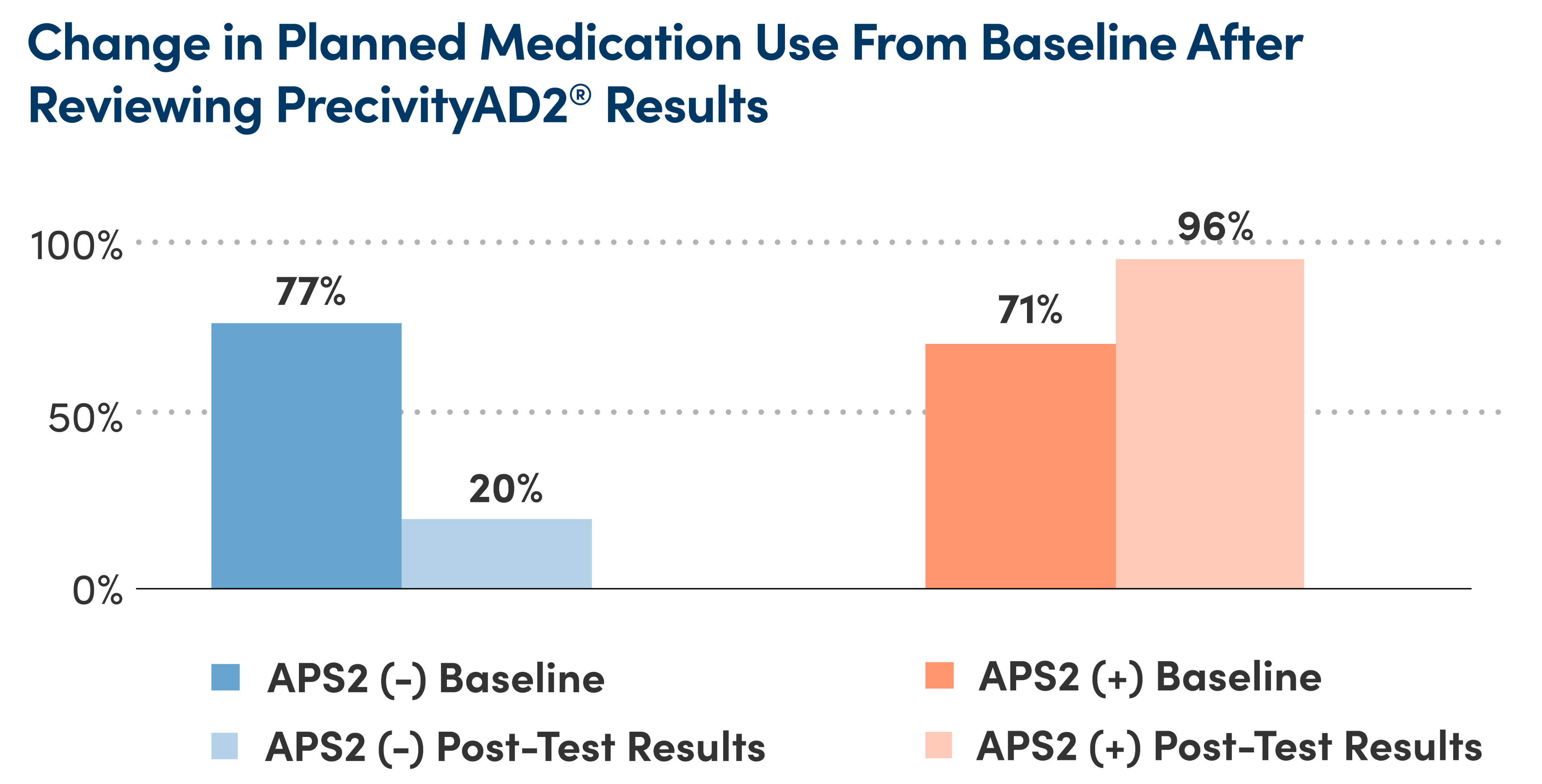
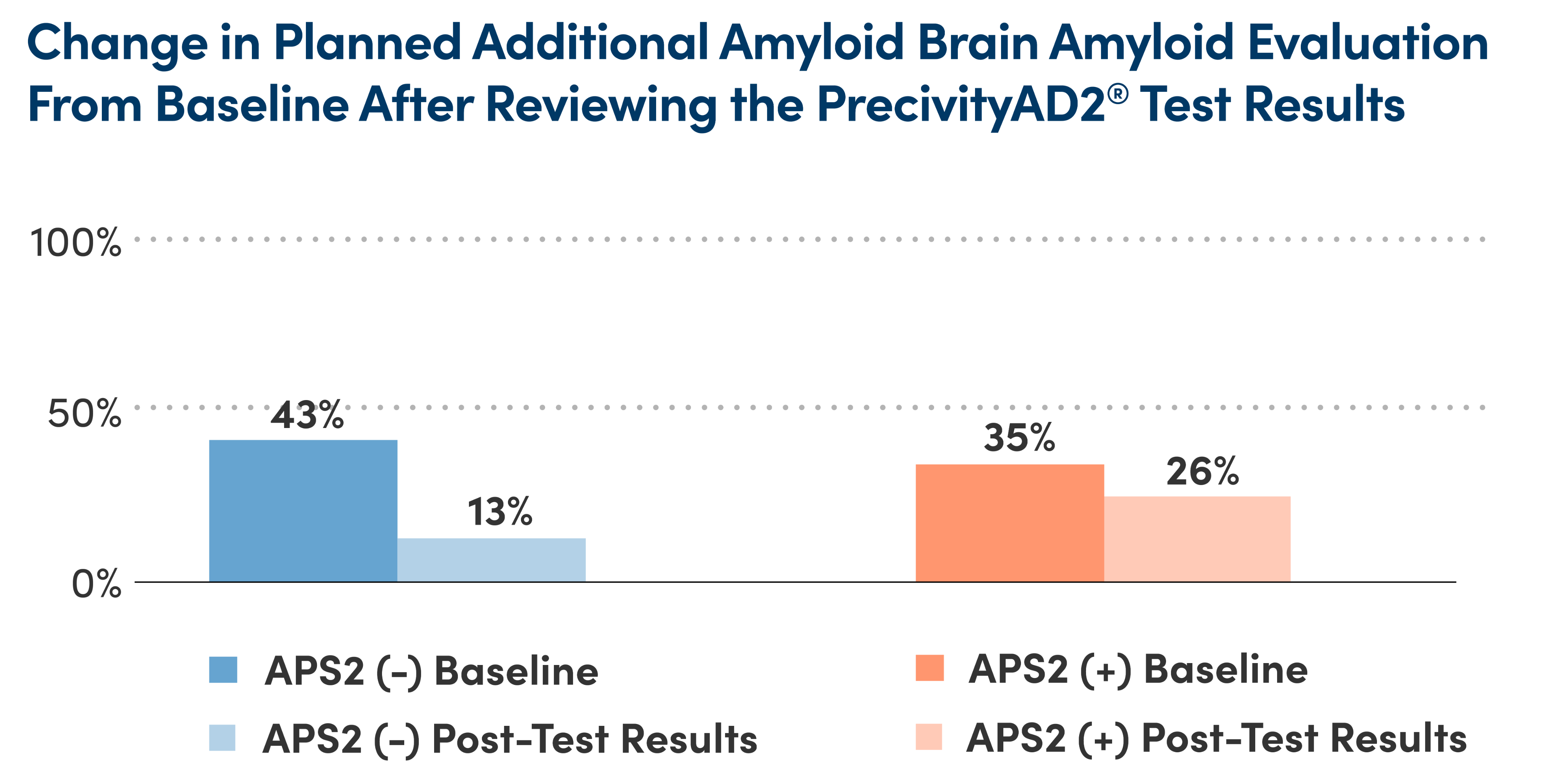
Test results impacted clinicians’ medical decisions2
of all patients had a change in planned brain amyloid evaluation
68/203, P<.0001 vs prespecified threshold of 20% change
FDA-cleared two-cutoff test
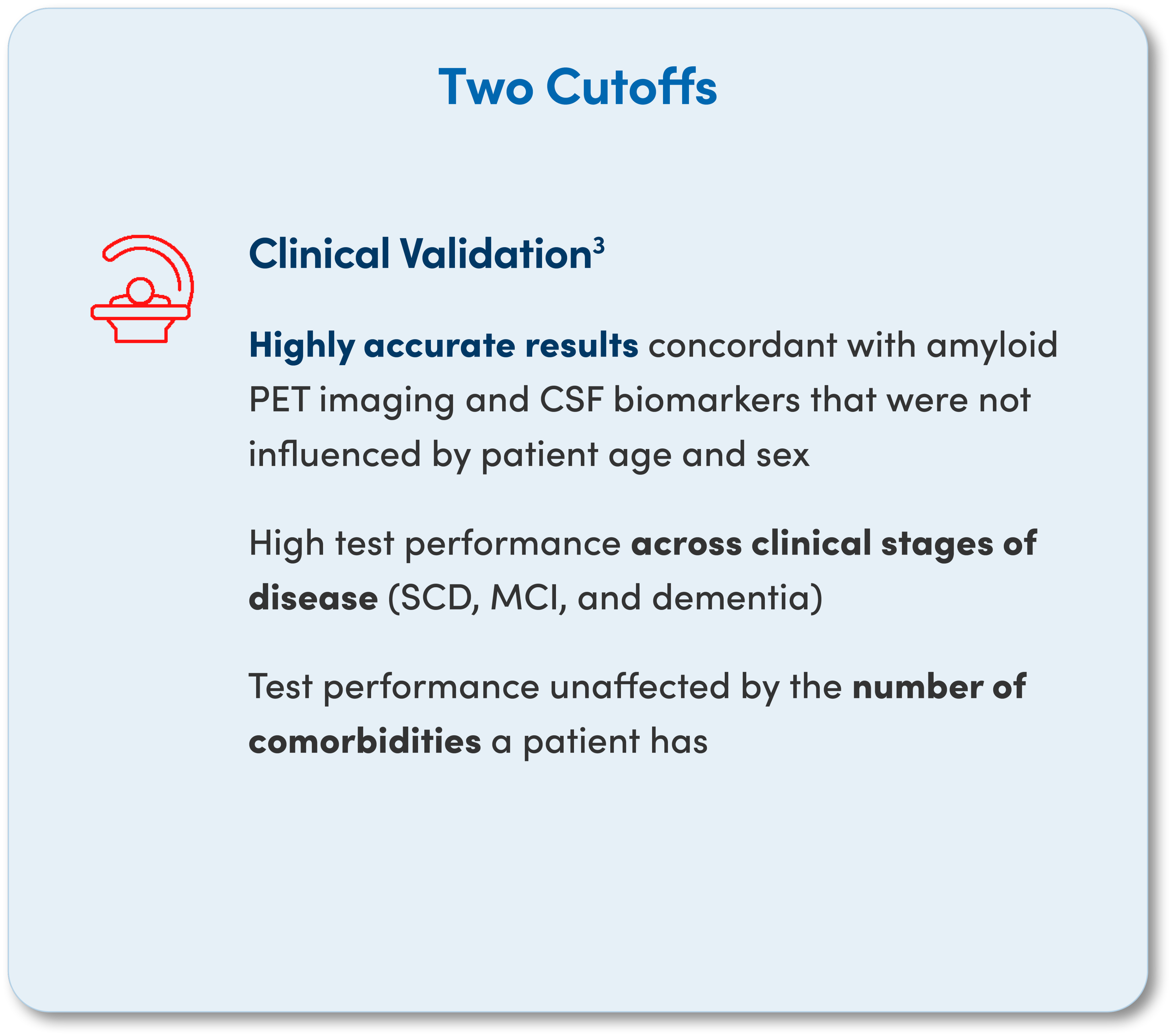
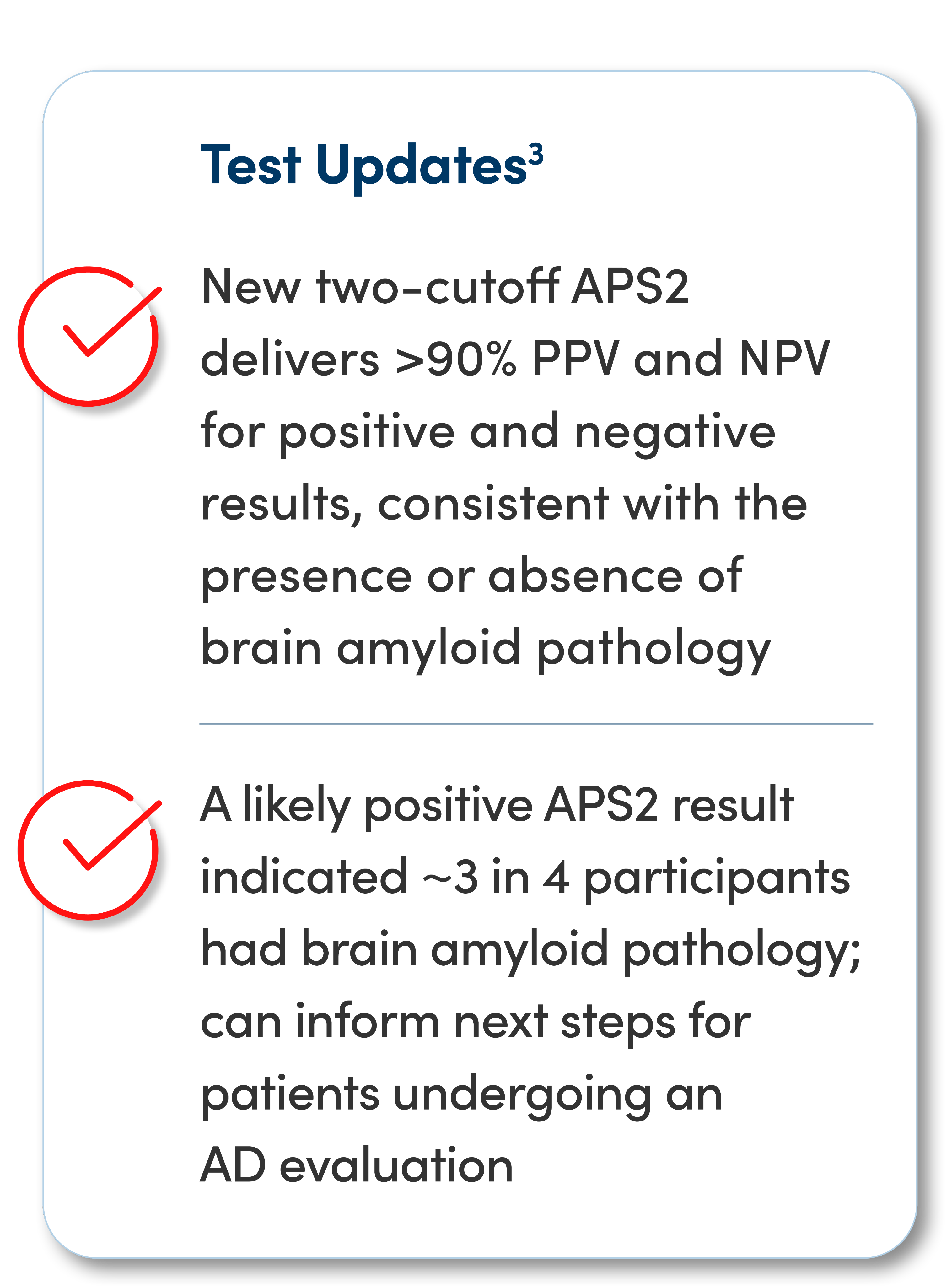
The PrecivityAD2® Test Two-Cutoff Evolution: High PPVs and NPVs, Interpretable Insights
The performance of the PrecivityAD2® test was assessed in plasma samples from 1142 individuals with signs or symptoms of cognitive impairment from 3 cohorts.3
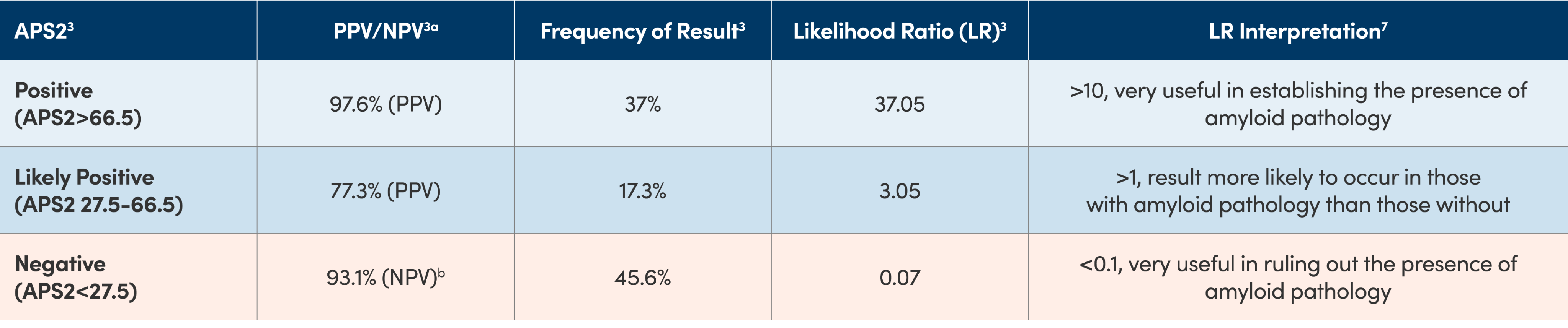
aPositive predictive value (PPV) for Positive and Likely Positive results correspond to the predictive value (PV) while the negative predictive value (NPV) for Negative results is calculated as 100%-PV.
bDerived from 6.9% PV for brain amyloid pathology in Negative results reported in labeling.
Most patients (82.7%) had a clear positive or negative APS2 test result, reducing uncertainty and informing next steps.3
An APS2 test result provides clinicians with an actionable path forward to discuss care options with patients and their care partners.3,4
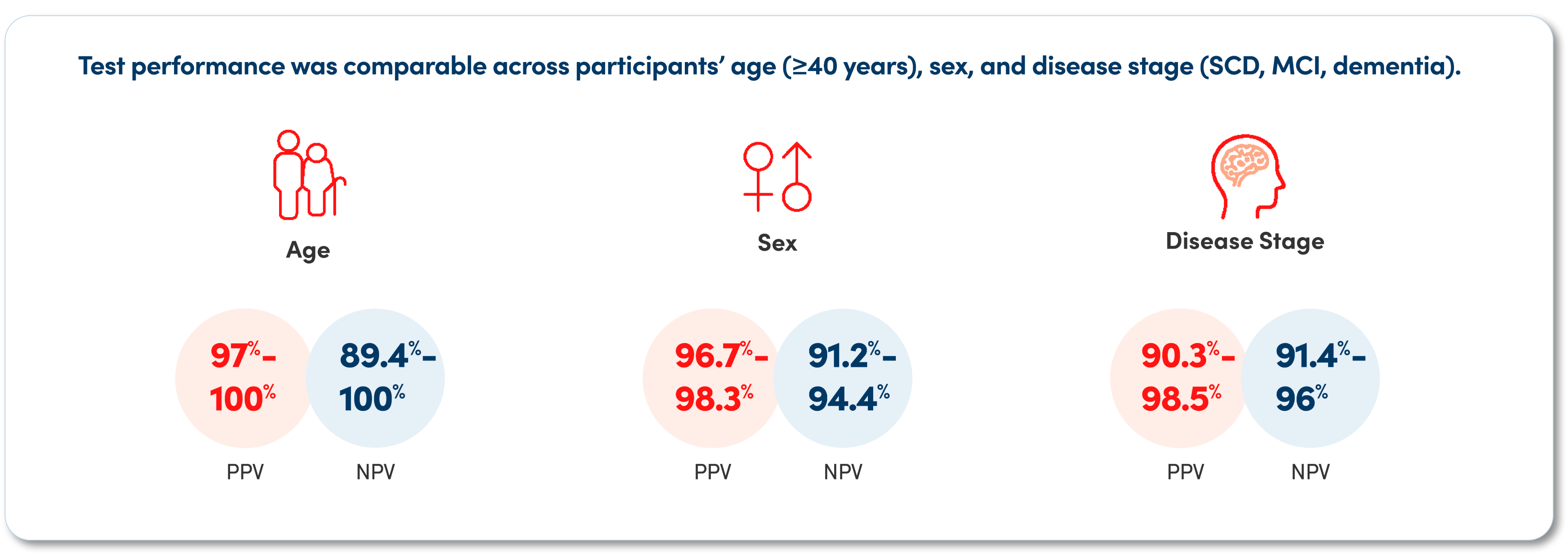
The PrecivityAD2® Test Performed Similarly Across Clinical Characteristics3
No differences in PrecivityAD2® test accuracy were seen when participants were evaluated based on patient demographics.
The PrecivityAD2® Test Demonstrates High Positive and Negative Predictive Value Regardless of a Patient’s Medical Complexity3*
Clinical performance by patient comorbidity: The PrecivityAD2® test was validated across 12 documented comorbidities.
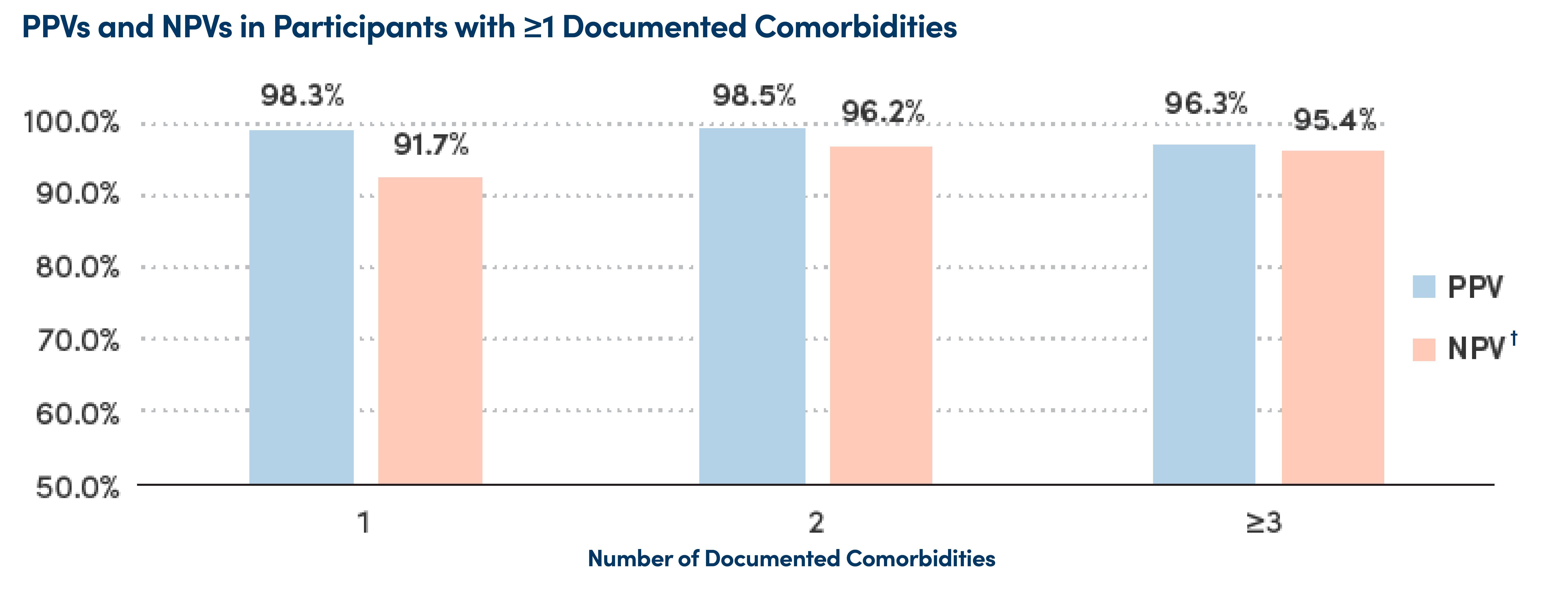
*Medical complexity as defined by comorbidity.
†The NPV was calculated using 100% - PV for negative results represented in label.3

Atrial Fibrillation

Autoimmune/
Inflammatory Disease

Chronic
Heart Failure

Chronic
Kidney Disease

Coronary
Heart Disease

Depression

Diabetes

Dyslipidemia

History of Cancer

History of Stroke or TIA

Hypertension

Obesity
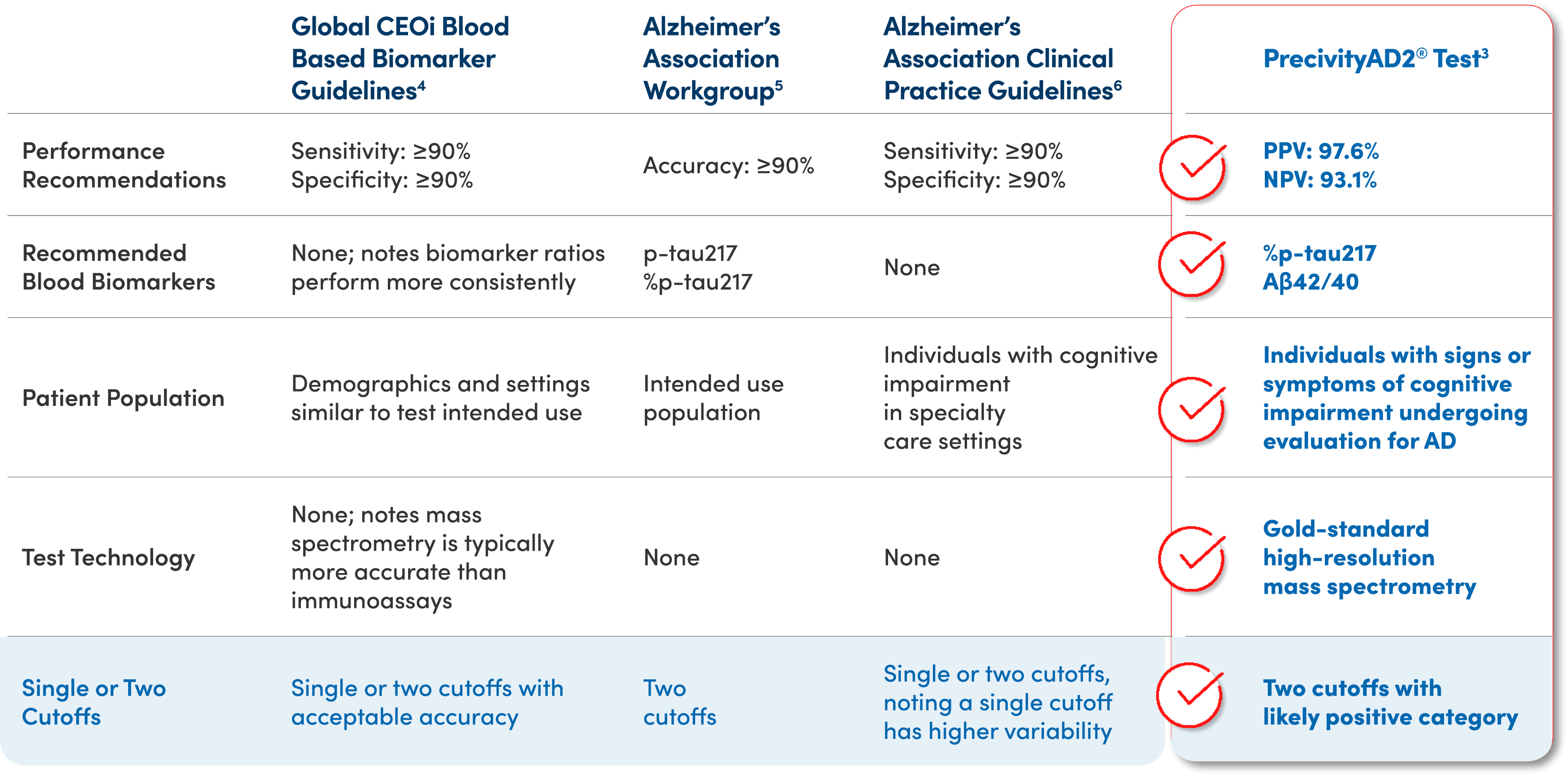
Clinical Robustness Achieved: The PrecivityAD2® Test Exceeds Blood Test Recommendations and Guidelines
Interpreting the PrecivityAD2® Test Report
Results Within 10 Business Days

Interpreting the PrecivityAD2® Test Report
Results typically within 10 business days.*
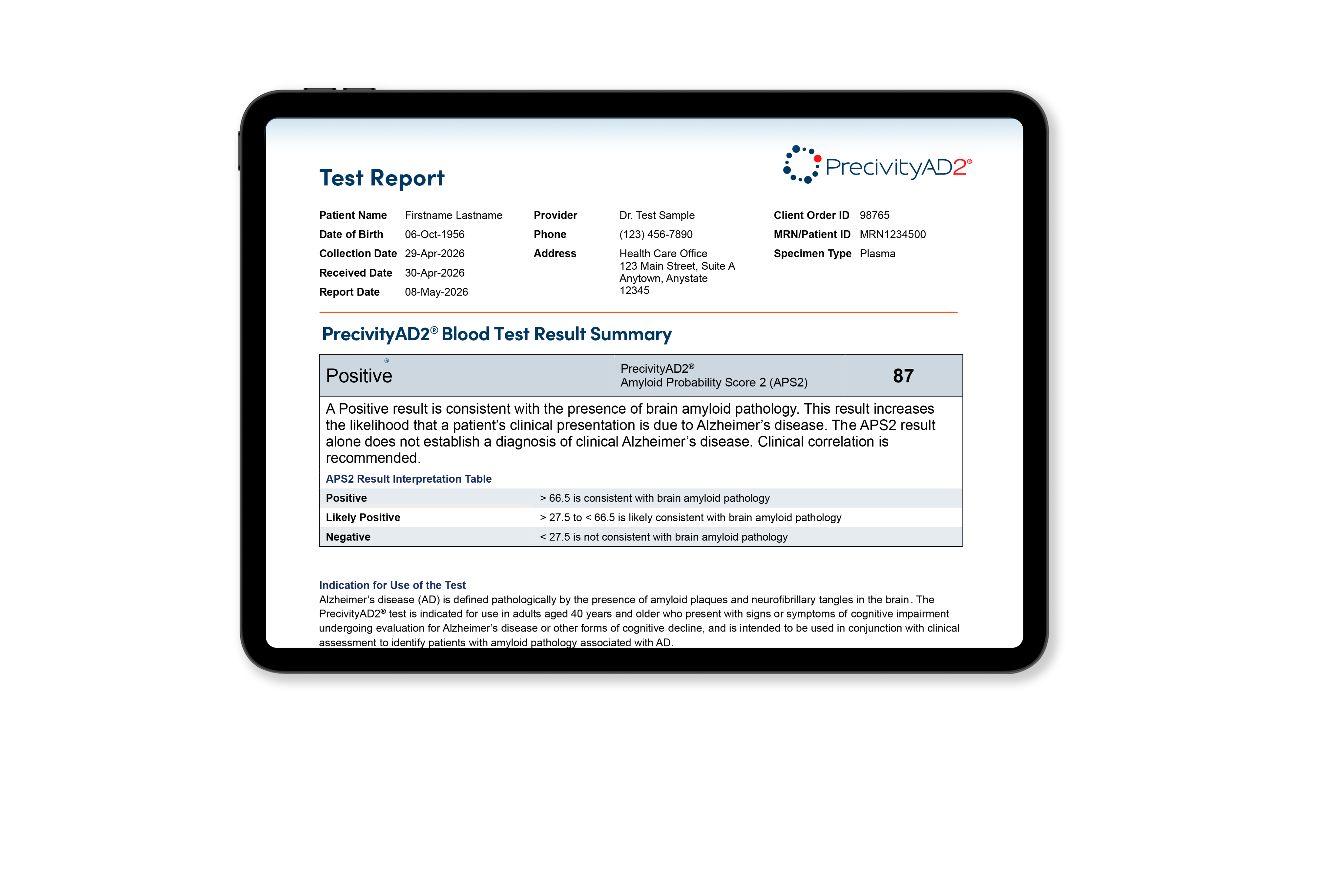
*Sample issues requiring the test to be rerun may delay results.
PrecivityAD2 [package insert]. St. Louis, MO: C2N Diagnostics; 2026.
The FDA-Cleared PrecivityAD2® Test Can Empower Timely and Accurate AD Diagnosis to Aid in Patient Care

Not all blood tests are created equal; the clinically validated, FDA-cleared PrecivityAD2® test measures %p-tau217 and Aβ42/40 to optimize performance, regardless of comorbidities3

Mass spectrometry, a gold-standard diagnostic technology, powers the PrecivityAD2® test and has many advantages over traditional immunoassay-based tests8-10

The PrecivityAD2® test was validated across clinical characteristics and meets current recommendations and guidelines3
Indications for ordering: Use in patients aged 40 and older who present with signs or symptoms of cognitive impairment undergoing evaluation for Alzheimer’s disease or other forms of cognitive decline.3
Limitations and Warnings
Limitations
- The PrecivityAD2® test is for prescription use only
- The PrecivityAD2® test is for in vitro diagnostic use: only performed at C2N Diagnostics Laboratory
- This test is intended to be performed only on qualified, serial number-controlled instruments at C2N Diagnostics Laboratory. All instruments used for patient testing are controlled under C2N’s Quality Management System and must successfully complete the required qualification and validation activities before implementation
- Always interpret the PrecivityAD2® test in conjunction with the patient’s medical history, clinical presentation, physical assessment, and other findings
- The safety and effectiveness of the PrecivityAD2® test have not been established for:
- Predicting development of dementia or other neurologic conditions
- Monitoring responses to therapies
- The performance of the PrecivityAD2® test across racial subgroups has not been fully established because of the relatively small number of subjects who report racial categories other than White and the large proportion of subjects in the Pooled Validation Cohort with missing racial categorization. Results for these subgroups should be interpreted with caution
Warnings
- Erroneous results may occur due to improper specimen collection, handling, storage, shipping, or unevaluated interfering substances
- Hemoglobin concentration >150 mg/dL may interfere with analyte measurement and affect the APS2 result
Prevalence of amyloid PET positivity: 56%. Amyloid PET scan positivity was defined as Centiloid (CL) score (quantitative PET) >25.References
1. Coppinger J, West T, Kirmess KM, et al. Independent validation of the PrecivityAD2™ blood test to identify presence or absence of brain amyloid pathology in individuals with cognitive impairment. NPJ Dementia. 2025;1(23). doi: 10.1038/s44400-025-00026-y. 2. Monane M, Maraganore DM, Carlile RM, et al. Clinical utility of an Alzheimer’s disease blood test among cognitively impaired patients: results from the quality improvement PrecivityAD2 (QUIP II) clinician survey study. Diagnostics (Basel). 2025;15(2):167. doi:10.3390/diagnostics15020167. 3. PrecivityAD2 [package insert]. St. Louis, MO: C2N Diagnostics; 2026. 4. Schindler SE, Galasko D, Pereira AC, et al. Acceptable performance of blood biomarker tests of amyloid pathology - recommendations from the Global CEO Initiative on Alzheimer’s disease. Nat Rev Neurol. 2024;20(7):426-439. doi:10.1038/s41582-024-00977-5. 5. Jack CR, Andrews JS, Beach TG, et al. Alzheimers Dement. Revised criteria for diagnosis and staging of Alzheimer’s disease: Alzheimer’s Association workgroup. 2024;20(8):5143-5169. doi:10.1002/alz.13859. 6. Palmqvist S, Whitson HE, Allen LA, et al. Alzheimer’s Association clinical practice guideline on the use of blood-based biomarkers in the diagnostic workup of suspected Alzheimer’s disease within specialized care settings. Alzheimers Dement. 2025;21(7):e70535. doi:10.1002/alz.70535. 7. Ranganathan P, Aggarwal R. Understanding the properties of diagnostic tests - Part 2: Likelihood ratios. Perspect Clin Res. 2018;9(2):99-102. doi:10.4103/picr.PICR_41_18. 8. Eastwood SM, Meyer MR, Kirmess KM, et al. PrecivityAD2™ Blood Test: Analytical Validation of an LC-MS/MS Assay for Quantifying Plasma Phospho-tau217 and Non-Phospho-tau217 Peptide Concentrations That Are Used with Plasma Amyloid-β42/40 in a Multianalyte Assay with Algorithmic Analysis for Detecting Brain Amyloid Pathology. Diagnostics (Basel). 2024;14(16):1739-1756. 9. Teunissen CE, Kimble L, Bayoumy S, et al. Methods to Discover and Validate Biofluid-Based Biomarkers in Neurodegenerative Dementias. Mol Cell Proteomics. 2023;22(10):100629. 10. Bravo-Veyrat S, Hopfgartner G. Mass spectrometry based high-throughput bioanalysis of low molecular weight compounds: are we ready to support personalized medicine?. Anal Bioanal Chem. 2022;414(1):181-192. doi:10.1007/s00216-021-03583-2.